
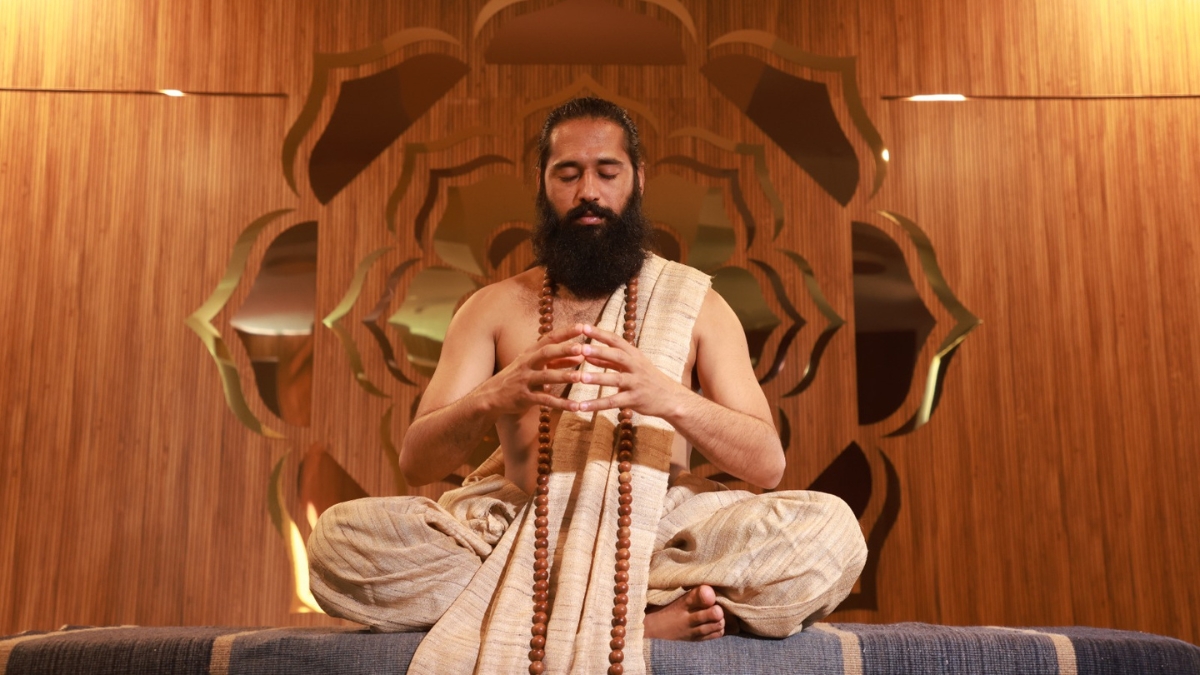
Authored by Himalayan Siddhaa Akshar, founder, Akshar Yoga Kendraa
The thyroid is one of the most significant glands in the body and is a key contributor to overall balance and vitality. Situated near the windpipe in the neck, this gland affects energy, metabolism, digestion, emotional state, body temperature, sleep and reproductive function.
When the thyroid gland produces fewer hormones then required, it is known as hypothyroidism. As a result, this can lead to tiredness, low metabolism, weight gain, reduced energy and dryness and lack of concentration. Thyroid overproduction is known as Hyperthyroidism. This can result in restlessness, heart palpitations, emotional instability, insomnia and sudden weight loss.
Thyroid imbalance is a common condition in today's lifestyles, owing to stress, irregular lifestyle, disturbed sleep and emotional stress. Yoga provides natural remedies that bring a sense of calmness to the nervous system, enhance circulation and aid in the balancing of hormones in the body.
How Yoga Supports Thyroid Wellness
Yoga improves the blood flow in neck and throat area and also reduces emotional stress in the body as well, which is also a significant factor in maintaining balance in the hormones. Through mindful movement, breathing, and relaxation, yoga supports both physical and mental wellness.
Through constant practice, one can experience better energy flow, improved concentration, emotional calmness and inner balance. Spending just a few minutes a day can make a difference to the body's state of stability and refreshment.
1. Sarvangasana (Shoulder Stand)
Formation
The practitioner is on his back and slowly raises the legs and hips up, holding the back up with his hands. Body is balanced on shoulders, and chin moves slightly toward chest.
Benefits
Sarvangasana enhances the circulation to the thyroid area and helps to stimulate the thyroid. It enhances energy, concentration and hormonal balance. The posture also relaxes the mind and helps to maintain a sense of stability in the emotions.
Dos and Don’ts
The posture should be performed on a slow, mindful pace. Try not to put pressure on the neck and make it smooth to breathe throughout the practice.
2. Matsyasana (Fish Pose)
Formation
Practitioner is on the back and slightly raises the chest up with the elbows supported. The top of head falls just short of the ground.
Benefits
Matsyasana stretches the throat and chest area, promoting increased circulation in the thyroid area. It also increases air exchange capacity and aids relaxation of the mind.
Dos and Don’ts
There should be no strain in the neck. Gentle and controlled movements.
3. Ustrasana (Camel Pose)
Formation
Practitioner kneels on the floor and slowly leans back, placing hands gently on the heels and raising the chest upward. Throat and chest open easily.
Benefits
In Ustrasana, the throat area is stimulated and the posture and blood flow are enhanced. It ensures emotional release and aids energy release in the body.
Dos and Don’ts
Posture should be initiated very gradually and without jerking. Don't push into the back bend or over extend the neck.
4. Ujjayi Pranayama
Formation
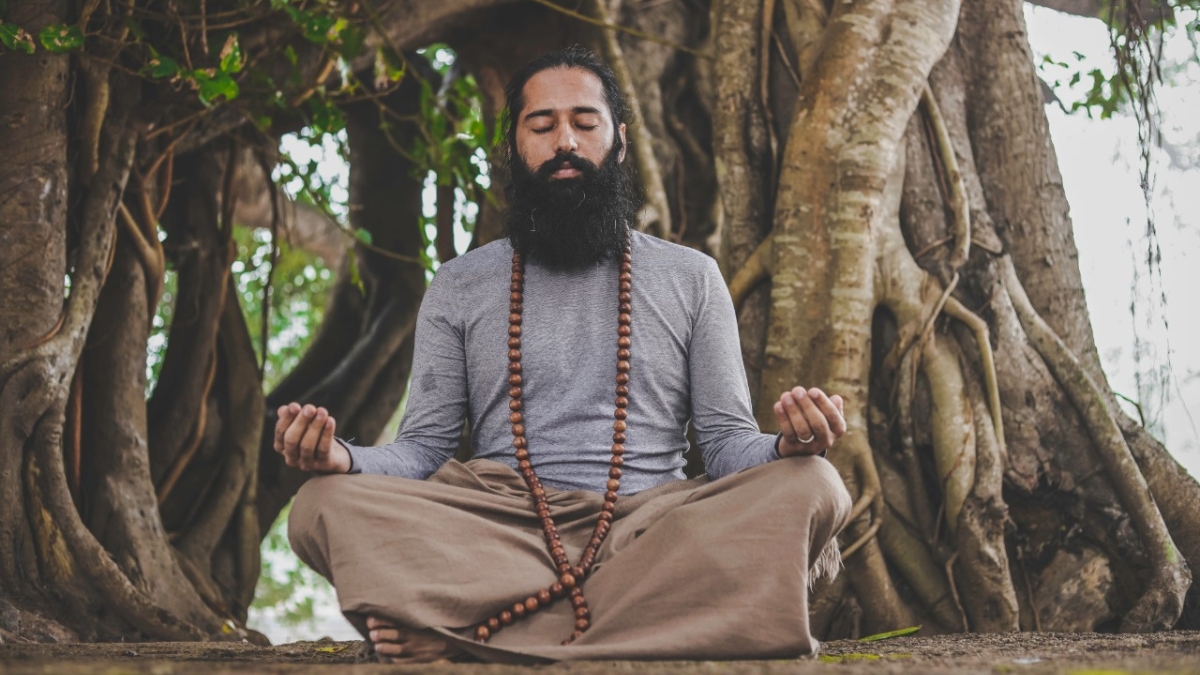
The practitioner slits his or her throat slightly to produce a soft sound and slowly breathes through the nose. The breathing is slow and regular.
Benefits
Ujjayi Pranayama is soothing to the nervous system and arouses the awareness at a throat level. It helps to maintain emotional balance, mental clarity and general relaxation.
Dos and Don’ts
The breathing should be relaxed and regular. Do not over tighten the throat in practice.
5. Hakini Mudra
Formation
The fingertips of both hands playfully touch each other while the palms stay a little apart. The hands are placed gently at the heart level; breathing is relaxed and calm.
Benefits
Hakini Mudra is used to help promote concentration, balance and calmness of the mind. It helps alleviate stress and balances the mind and body.
Dos and Don’ts
Relax shoulders and breathe normally. The fingers should touch lightly and not put pressure on each other.
Conclusion
The thyroid is an important part of the body and keeps the body in balance and in good health. If there is a disturbance of the balance within the thyroid, there can also be a disturbance of the balance in the body and mind. By practicing yoga mindfully, moving gently and breathing deeply, people can achieve a natural balance of hormones and emotional well-being.
In consistent practice and awareness, yoga is a tranquil route to increased energy, tranquility, and general well-being for the thyroid gland.